Addiction Therapy London offers a supportive space to explore healthier coping mechanisms and strategies tailored to individual needs, ensuring that socializing remains enjoyable without compromising one’s well-being. One study showed that even a small amount of alcohol can negatively impact your sleep. After drinking, you spend less time in certain important stages of the sleep cycle, meaning your sleep has more disruptions, and you may sleep for less time than usual.
- After a long day of meetings, deadlines, and the usual office grind, nothing feels better than heading to a cozy bar or a lively happy hour spot to unwind.
- The Recovery Village at Palmer Lake offers comprehensive addiction treatment for drug and alcohol addictions and co-occurring mental health conditions.
Do drink beer during virtual happy hours
And yet, while the pandemic destabilised workplace social culture as we knew it, alcohol didn’t disappear. In many cases, especially early in the pandemic, pub happy hours simply moved to Zoom. Furthermore, workplace drinking culture can vary significantly across industries, yet the consequences often bear similar traits, including reduced productivity, compromised safety, and strained professional dynamics. Heavy drinking during the workweek contributes to a prevalence of alcohol-related health problems among workers, inevitably affecting the productivity of firms. A staggering 42% of workers admitted to having gone to work hungover or under the influence of alcohol, with 9% doing so in the past six months alone (source). Long-term alcohol use has been shown to decrease myocardial protein expression and synthesis while accelerating protein degradation in the heart muscle, further contributing to cardiovascular deterioration.
After-Work Drinking and Liver Health
This suggests not only a co-occurrence but also a shared underlying vulnerability involving genetic factors and neural circuits. Regular after-work drinking can seem like a harmless way to unwind, but it carries the risk of developing into alcohol dependence and addiction. This transition from a social activity to a health concern is insidious, often going unnoticed until serious consequences emerge. Alcohol use disorder (AUD) is characterized by an inability to control drinking, preoccupation with alcohol, and continued use despite negative repercussions. It is a pattern that may start with after-work drinks but can escalate to more frequent and higher quantities of alcohol consumption. Engaging in regular after-work drinking can have significant mental health implications, such as the development of alcohol dependence and the exacerbation of depression and anxiety.
Beyond the buzz: How after-work drinking habits are affecting our lives
Cheers to after-work drinks, where coworkers become friends and stress turns into laughter. After-work drinks aren’t just about the alcohol – they’re about building relationships and creating memories with your coworkers. Regular beer, https://ptoner.com/drink-wine-or-drink-nothing-science-questions/ which is normally about 5% alcohol, about 8-9 ounces of a 7% alcohol beverage, 5 ounces of a 12% alcohol beverage (most wine), and 1.5 ounces of a 40% alcohol beverage (e.g., whiskey or gin). It’s not HRs responsibility to control what employees do after hours. Still, by setting clear expectations and boundaries with staff, HR can play a role in curbing destructive drinking behaviors.
The problem with after-work drinking
There is nothing wrong with drinking one of these alternatives instead of alcohol. While they may not have the same impact, you’ll come to realize that you don’t need alcohol to cool down after work. Drinking after work can become a problematic situation if a person loses control. Sometimes, people find solace in drinking to ease the tension in their work-life. It’s important to ease this stress without always resorting to drinking after work.
- The concept of ‘nomikai,’ or drinking parties, is a deeply rooted tradition in Japanese work culture.
- “Research has shown that low doses of alcohol, including beer, stimulate appetite and promote bowel function in the elderly.”
- Support employees in recovery and create environments where people don’t feel excluded.
- About 10% of Americans have experienced drug addiction at some point in their lives.
- While your co-workers may want to drink with you, it is okay to say ‘no’.
You may become vitamin-deficient if you drink too much beer every night
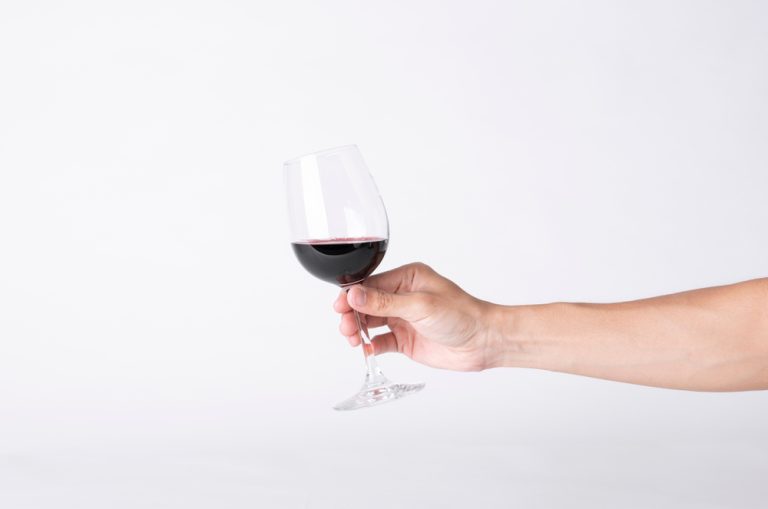
The thing is, I grew up with a Polish/American family, wine or beer was their nightly tradition, and although they didn’t get drunk nightly, they’d have a couple glasses while watching TV or eating dinner. We know insurance coverage can be a source of uncertainty for people. The great news is health insurance can potentially cover the total treatment costs.
For men, the fittest were 1.6 times more likely to have moderate to beer after work heavy alcohol consumption compared to those in the lowest fitness category, according to the results. Furthermore, the cardiovascular system is also negatively affected by excessive alcohol intake. Regular heavy drinking can increase blood pressure and contribute to the development of heart disease. It can also lead to an irregular heartbeat, known as atrial fibrillation, which can further increase the risk of stroke and other cardiovascular complications.
Will drinking beer every night cause you to develop a beer belly?
While it is okay to Drug rehabilitation enjoy a drink here and there, it is not normal to rely on drinking. This is where alcohol use disorder and alcoholism come into play. Once you go over 4% alcohol content, or have more than one or two 12-ounce low ABV beers, that’s where the benefits decline, says Jaison Wynne, a PhD student at Old Dominion University and co-author of the review. Then you’re at risk of issues including higher water loss, reduced muscle gains, less than optimal training, and potentially an increase in body fat. After-work drinks can be a great way to bond and unwind, but the moment you decide to drive after drinking, you’re stepping onto dangerous ground.
Drinking After a Workout

Contact a Recovery Advocate today to take the first step toward living an alcohol-free life. Exploring the relationship between alcohol use and mental health disorders reveals a complex interaction where one can significantly impact the other. Studies indicate that individuals with alcohol use disorder (AUD) frequently experience co-occurring mental health conditions such as depression and anxiety.
Transitioning from work to relaxation doesn’t have to involve alcohol. There are numerous healthier alternatives that can help reduce stress and improve overall well-being. Engaging in physical activities like establishing an exercise routine can be a great way to let off steam. Furthermore, the economic cost of after-work drinking is substantial. In England, for example, alcohol-related productivity losses amount to over £5 billion annually.